As winter approaches in Vermont, many homeowners may not realize that pests can become a significant problem during the colder months. While it might seem that the frost would eliminate pest issues, many pests seek shelter in our homes, making seasonal pest control essential. This article offers practical tips to help you manage and prevent pest infestations during winter.
Understanding Winter Pest Behavior
In Vermont, winter brings cold temperatures that drive many pests indoors. Commonly, rodents, spiders, and even some insects will look for warm places to survive. Understanding their behavior can help you take proactive steps to keep them out.
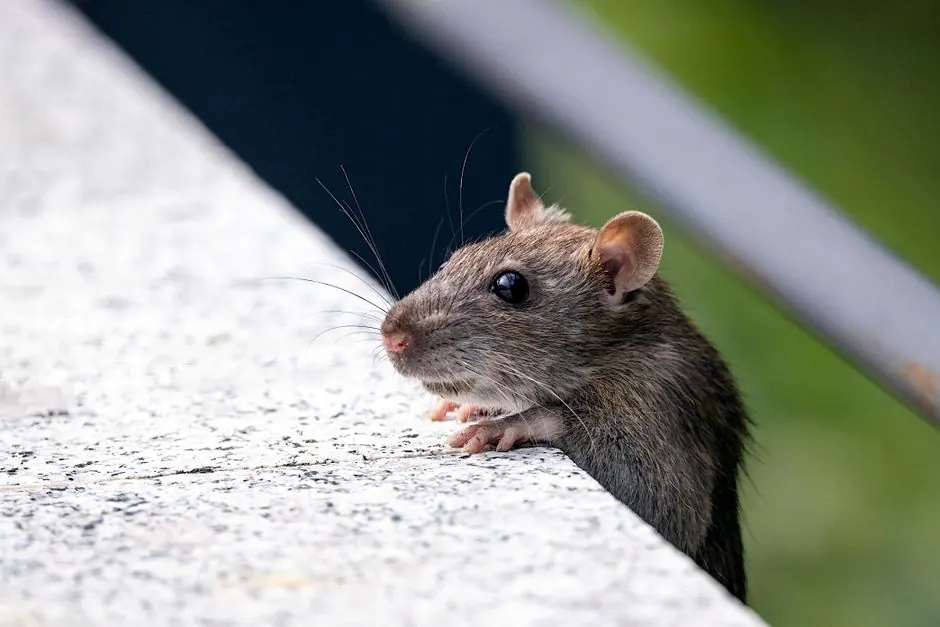
Rodents, such as mice and rats, are particularly notorious for seeking shelter in homes. They can enter through tiny gaps and cracks around your foundation, walls, and even utility lines. Knowing that these pests are looking for warmth and food can guide your prevention strategies.
Common Winter Pests in Vermont
During the winter months, you may encounter several common pests in Vermont:
- Rodents: Mice and rats can invade your home, seeking warmth and food.
- Spiders: Many spiders are looking for shelter; they may enter your home to escape the cold.
- Ants: Some ant species may remain active in warmer areas of your home, especially kitchens.
- Bed Bugs: These pests can be a problem year-round if not managed properly.
Each of these pests has unique behaviors and needs, making it crucial to tailor your pest control efforts accordingly.
Preventative Measures for Winter Pests
To keep your home pest-free during the winter, consider implementing the following preventative measures:
- Seal Entry Points: Inspect your home for gaps and cracks, particularly around doors, windows, and foundations. Use caulk or weather stripping to seal these openings.
- Maintain Cleanliness: Keep food stored in airtight containers and clean up spills immediately. This reduces attractants for pests.
- Reduce Clutter: Pests love to hide in clutter. Keep storage areas organized and minimize cardboard boxes, which can harbor pests.
- Inspect Firewood: If you use firewood, check for pests before bringing it inside. Store it away from your home to prevent infestations.
- Regular Maintenance: Schedule regular pest inspections with a professional, especially if you live in areas prone to infestations.
By taking these steps, you can significantly reduce the risk of a winter pest invasion.
What to Watch Out For
While you can take many preventative measures, it's also essential to be aware of what to watch out for:
- Droppings: Look for rodent droppings in hidden areas like attics and basements.
- Gnaw Marks: Check for signs of chewing on wires or food packaging.
- Webs: Spider webs in corners or hidden spaces can indicate a spider presence.
- Unusual Noises: Scratching or scurrying sounds at night may signal rodent activity.
If you notice any of these signs, it may be time to take action.
When to Call a Professional
Sometimes, despite your best efforts, you may still encounter pest issues. If you find yourself dealing with a significant infestation or if preventative measures are not working, it's time to call a professional. Vermont Pest Control offers expert services tailored to your needs, ensuring that your home remains pest-free throughout the winter months.
Frequently Asked Questions
- What are the most common winter pests in Vermont?
Common winter pests include rodents, spiders, ants, and bed bugs. Each seeks shelter and warmth in homes during the colder months. - How can I prevent pests from entering my home?
Seal entry points, maintain cleanliness, reduce clutter, and schedule regular pest inspections to keep pests at bay. - When is the best time to call a pest control professional?
If you notice signs of infestation or if your preventative measures are not effective, it's best to contact a professional. - Can I handle pest control myself?
While minor issues can sometimes be managed with DIY methods, significant infestations often require professional intervention for effective treatment. - Are winter pests dangerous?
Some winter pests, like rodents, can pose health risks by contaminating food and spreading diseases. It's essential to manage them promptly.