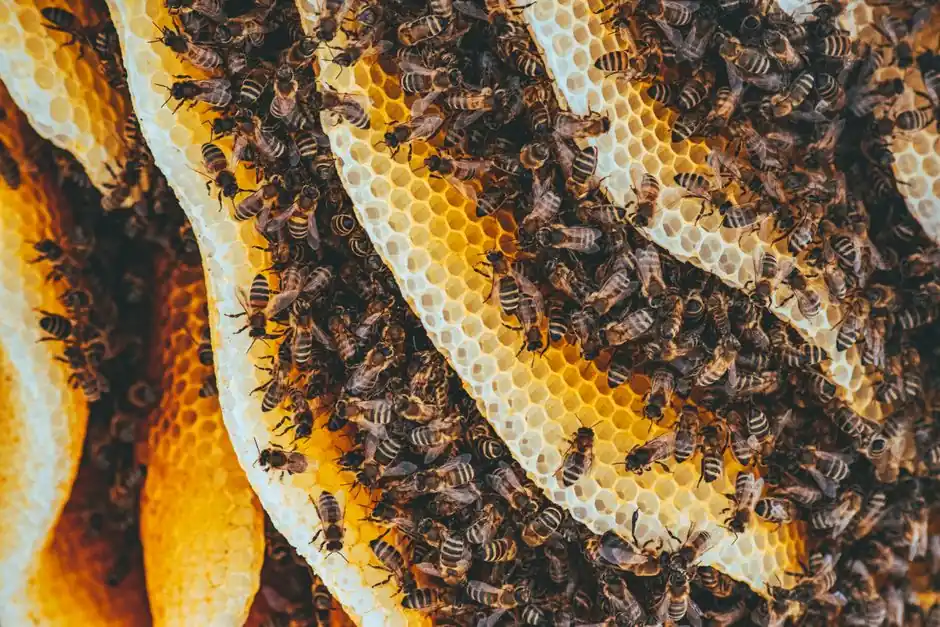
Bees play a crucial role in our ecosystem, but when they invade your property, it can be concerning. Safely removing bees in St. Albans requires knowledge and care to protect both yourself and the bees. This guide covers the importance of bees, identification tips, safe removal methods, common mistakes, and when to call in experts like Vermont Pest Pros.
Understanding the Importance of Bees
Bees are vital pollinators that contribute to the health of our environment. They help in the reproduction of flowering plants, which in turn supports local wildlife. In Vermont, bees are especially important for local agriculture, aiding in the production of fruits, vegetables, and nuts.
Without bees, our food supply would be severely impacted. Thus, it's essential to approach bee removal with a mindset of conservation rather than extermination. Understanding their ecological role can help you appreciate why it's important to handle them safely.
Identifying Bee Species
Before attempting to remove bees, it's crucial to identify the species you're dealing with. In St. Albans, you may encounter several types of bees, including:
- Honeybees: These are social bees that live in colonies and produce honey. They are generally non-aggressive unless provoked.
- Bumblebees: Larger and fuzzier than honeybees, bumblebees are also social and play a significant role in pollination.
- Solitary Bees: These bees, such as mason bees, do not live in colonies and are typically harmless.
Identifying the type of bee can help determine the best removal method. For example, honeybees can often be relocated by professionals, while solitary bees may not require removal at all.
Safe Removal Techniques
When it comes to safely removing bees, there are several techniques you can use:
- Observation: First, observe the bees to understand their behavior and nesting location. This will help you decide on the best approach.
- Use of Natural Deterrents: Spraying a mixture of water and dish soap can deter bees without harming them. This method can encourage them to leave the area.
- Bee Traps: You can create homemade traps using sugar water to lure bees away from your property.
- Professional Relocation: If the bees are honeybees, contact a local beekeeper or a professional wasp and bee removal service to safely relocate the hive.
Always wear protective clothing when attempting to remove bees, and never attempt to remove a hive if you are allergic to bee stings.
Common Mistakes to Avoid
When dealing with bees, it's easy to make mistakes that can lead to dangerous situations. Here are some common errors to avoid:
- Ignoring the Nest: Simply removing the bees without addressing the nest will lead to their return.
- Using Harsh Chemicals: Pesticides can harm bees and other beneficial insects. Avoid using them whenever possible.
- Approaching Without Protection: Always wear protective gear to minimize the risk of stings.
Being aware of these mistakes can help you manage the situation more effectively and safely.
When to Call a Professional
If you feel overwhelmed or uncertain about removing bees, it's best to call a professional. Vermont Pest Pros specializes in pest control in St. Albans and can handle bee removal safely and efficiently. Professionals have the knowledge and equipment to relocate bees without harming them, ensuring both your safety and the bees' survival.
Frequently Asked Questions
What should I do if I see bees around my home?
Observe their behavior and try to identify the species. If they seem aggressive or are nesting close to your home, consider contacting a professional.
Are all bees dangerous?
No, many bees are harmless and only sting when threatened. Honeybees and bumblebees are generally non-aggressive.
How can I prevent bees from nesting on my property?
Seal any cracks and crevices in your home and remove food sources that may attract them, such as open garbage bins.
Can I remove bees myself?
While some methods can be attempted safely, it's advisable to call professionals, especially for honeybee colonies.
What is the best time to remove bees?
The best time to remove bees is early in the morning or late in the evening when they are less active.
Get help with Pest Control in St. Albans
If you're facing a bee problem and need expert assistance, Vermont Pest Pros is here to help. Our experienced team can ensure the safe removal of bees while protecting your property and the environment. Call us today at (844) 745 2028.